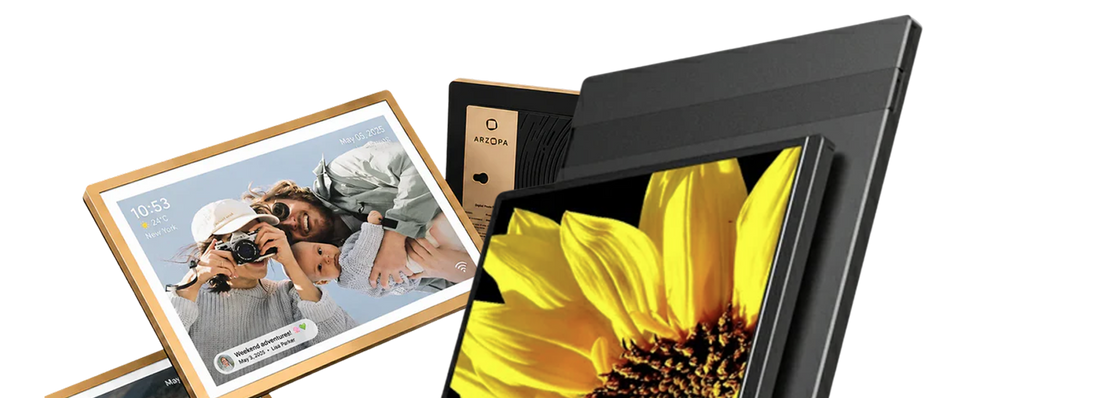
Yes, you can use an iPad as a second monitor. The right method depends less on the iPad than on what you are connecting to it.
For a Mac, try Apple's built-in Sidecar first. For a Windows 11 PC, spacedesk is the most obvious free starting point, while Duet Display and Luna Display offer more polished paid routes. Orion belongs in a different bucket. It lets a USB-C iPad receive an HDMI feed from a camera, console, or computer through a capture card.
That distinction matters. A regular USB-C to HDMI adapter sends video out of an iPad. It does not turn the iPad into an HDMI input. Plenty of cable-shopping confusion starts right there.
Pick the setup that matches your source device
| Option | What it connects | Connection | Best fit | What to know first |
|---|---|---|---|---|
| Apple Sidecar | Mac to iPad | Wi-Fi or USB | Compatible Mac and iPad owners | Same Apple Account and supported hardware are required |
| spacedesk | Windows 11 or 10 PC to iPad | USB, Wi-Fi, or LAN | A free Windows second-screen setup | The Windows PC needs the spacedesk driver |
| Duet Display | Mac or Windows PC to iPad | Wired or wireless | People who want a cross-platform app | Current paid-plan terms should be checked before subscribing |
| Deskreen | Windows, Mac, or Linux computer to iPad browser | Local Wi-Fi | A free, open-source option | A true extended desktop needs a virtual display adapter |
| Luna Display | Mac or Windows PC to iPad | Hardware dongle plus Wi-Fi or USB | A hardware-based setup with no subscription | The dongle must plug directly into the computer |
| Orion | HDMI source to USB-C iPad | HDMI capture card | Cameras, consoles, and computer HDMI output | Requires iPadOS 17 and a USB-C capture card |
| Portable monitor | Laptop, console, handheld, or compatible tablet | USB-C or HDMI | A larger, dedicated second display | It is another device to carry, but needs no display-conversion app |
Start with the source device, not the app logo. A MacBook owner at a coffee shop has a different problem from someone trying to connect a Nintendo Switch. Then there is the locked-down Windows work laptop, which can turn a five-minute setup into an IT ticket.
For a Mac, start with Sidecar
Sidecar is already built into macOS and iPadOS, so it should be the first stop for compatible Apple hardware. It can extend the Mac desktop onto the iPad or mirror the same picture on both screens.
Apple's current requirements include macOS Catalina 10.15 or later and iPadOS 13 or later, plus supported Mac and iPad models. The broad cutoff is a 2016 or newer Mac, with a few model-specific exceptions, and the following iPads:
- Any iPad Pro
- iPad 6th generation or later
- iPad mini 5th generation or later
- iPad Air 3rd generation or later
Check Apple's current Sidecar requirements before assuming an older pair will work. Both devices must use the same Apple Account with two-factor authentication.
For a wireless connection, turn on Wi-Fi, Bluetooth, and Handoff on both devices. Apple says the devices should stay within 10 meters, or 30 feet, of each other. For a wired connection, connect the iPad to the Mac with USB and approve the trust prompt if it appears.
On a recent version of macOS, open System Settings, choose Displays, and add the iPad as a display. You can also open Control Center, choose Screen Mirroring, and select the iPad. Once connected, arrange the displays so the on-screen positions match where the devices actually sit on your desk. Otherwise, the pointer seems to vanish off the wrong edge. A tiny setting, but an irritating one.
Choose Extend Display when you want more working space. Choose Mirror when another person needs to see the same screen. Sidecar also supports Apple Pencil, Mac keyboard and pointer input, and a touch sidebar on the iPad.
Sidecar and Universal Control are easy to confuse. Sidecar puts Mac windows on the iPad. Universal Control leaves macOS and iPadOS running separately while one keyboard and pointer move between them. If you want to keep using native iPad apps, Universal Control may suit the workflow better.
For Windows 11, spacedesk is the first free option to try
Windows does not have a built-in Sidecar equivalent for iPad. Third-party software has to create the connection, which usually means installing something on both devices.
The current spacedesk setup uses a driver on the Windows 11 or Windows 10 PC and a Viewer app on the iPad. The official site lists USB, Wi-Fi, and LAN connections, along with desktop extension and mirroring.

The basic setup is short:
- Install the spacedesk driver on the Windows PC.
- Install the spacedesk Viewer on the iPad.
- Put both devices on the same local network, or use a supported wired connection.
- Open the Viewer and select the Windows computer.
- In Windows Settings, open System, then Display, and choose Extend these displays.
If the PC does not appear, check Windows Firewall permissions before reinstalling everything. Company laptops are another story. Some employers block display drivers or local-network discovery, and no amount of tapping on the iPad will fix an IT policy.
spacedesk also supports Android viewers. That makes it relevant to people searching for an Android version of Orion, as long as the actual goal is extending a Windows desktop. Receiving a live HDMI feed from a camera or console is a separate job.
When Duet, Deskreen, or Luna makes more sense
spacedesk is not the only Windows route, and it will not suit every network or company machine.
Duet for a more polished cross-platform app
Duet Display works with Mac, Windows, and iPad, and supports wired and wireless connections. The app also exposes display controls such as resolution and frame rate. If a wireless session feels sluggish, lowering one of those settings can help.

Duet is especially relevant for older Apple hardware that does not qualify for Sidecar, or for someone who moves between Mac and Windows. It is paid software. Its plan structure has changed over time, so the sensible move is to check the current checkout terms instead of trusting a two-year-old price quoted in a blog post.
Deskreen for a free browser-based route
Deskreen sends a computer screen or individual app window to any device with a web browser. It works with Windows, macOS, and Linux hosts, and the project is free and open source.
The catch is easy to miss. Browser sharing alone mirrors a display or app. Deskreen's own site says a true extended desktop needs a virtual display adapter. It works, but the setup has another moving part.

Deskreen is still useful when an old iPad can run a modern browser and the goal is a reference screen, dashboard, chat window, or local presentation. It can run over a local Wi-Fi network without internet access.
Luna for a hardware-based setup with no subscription
Luna Display uses a small dongle in the Mac or Windows PC, plus free apps on the computer and iPad. The official US page listed it at $89.99 as a one-time purchase when this guide was updated. It can connect over Wi-Fi or USB after the dongle is installed.
You pay once for the dongle and there is no subscription. Luna says it must plug directly into the computer and should not be used through an adapter. On a laptop with two ports and a charger already occupying one, that detail can decide the purchase.
Looking for an Orion alternative? Check the input first
Orion often gets grouped with Sidecar and Duet, but it handles a different signal. It turns a USB-C iPad into a portable HDMI monitor by using a USB-C HDMI capture card.

The official Orion requirements are specific:
- An iPad with a USB-C port
- iPadOS 17 or later
- A USB-C HDMI capture card
- An HDMI cable from the camera, console, or computer
The core Orion app is free for unlimited use. Orion Pro was listed as a one-time $4.99 unlock for 4K upscaling, retro effects, and picture adjustments when this article was updated.
Orion makes sense when the source device outputs HDMI and cannot run a companion app. Think camera framing, a game console in a hotel room, or a compact Mac mini setup. If that is the job, follow the full guide on how to use an iPad as an HDMI monitor.
If the goal is dragging a spreadsheet from a Windows desktop onto the iPad, Orion adds unnecessary hardware and capture delay. Use spacedesk, Duet, Deskreen, or Luna instead.
The Android question needs the same split. Orion's published requirements specify a USB-C iPad running iPadOS 17. For an Android tablet used as a Windows second screen, spacedesk lists an Android Viewer. For HDMI input, check the tablet, capture device, and receiving app together before buying a cable.
Wired or wireless: where lag usually enters the picture
Wireless is convenient. It is also sharing the air with video calls, streaming boxes, phones, and every other device on the network.
For documents, email, and static reference windows, a good local Wi-Fi connection may be completely adequate. Motion-heavy video, drawing, or gaming makes delays easier to notice. A wired connection is usually the safer choice for a long session because it removes most network variability and can keep the iPad charged.
The cable does not solve every problem. The app still has to encode, send, and display the image, and a capture-card setup adds its own processing. Treat "zero lag" as advertising language, not a law of physics.
Try these before you start reinstalling apps:
- Lower the display resolution or frame rate in the app.
- Close heavy background transfers on the host computer.
- Move both devices to a 5GHz network or connect them with USB when the app supports it.
- Recheck the display arrangement in macOS or Windows if the picture works but the pointer seems lost.
Sometimes a portable monitor is the simpler answer
Turning an iPad into a second screen is clever when the tablet is already in the bag. It becomes less charming when the setup needs a driver, a subscription, a capture card, a stand, and a cable that only works in one direction.
A dedicated portable monitor is easier to justify when you want a larger screen every workday, need direct HDMI for a console, cannot install software on a company laptop, or want the same display to work across several devices. The iPad versus portable monitor comparison goes deeper into that tradeoff.
The ARZOPA Z3FC is one current option for people who want more screen area and direct video input. It has a 16.1-inch 2560 x 1440 IPS panel, a built-in stand, two USB-C ports, mini HDMI, and a listed weight of 780g. It supports up to 180Hz through DisplayPort over USB-C and up to 144Hz through HDMI.
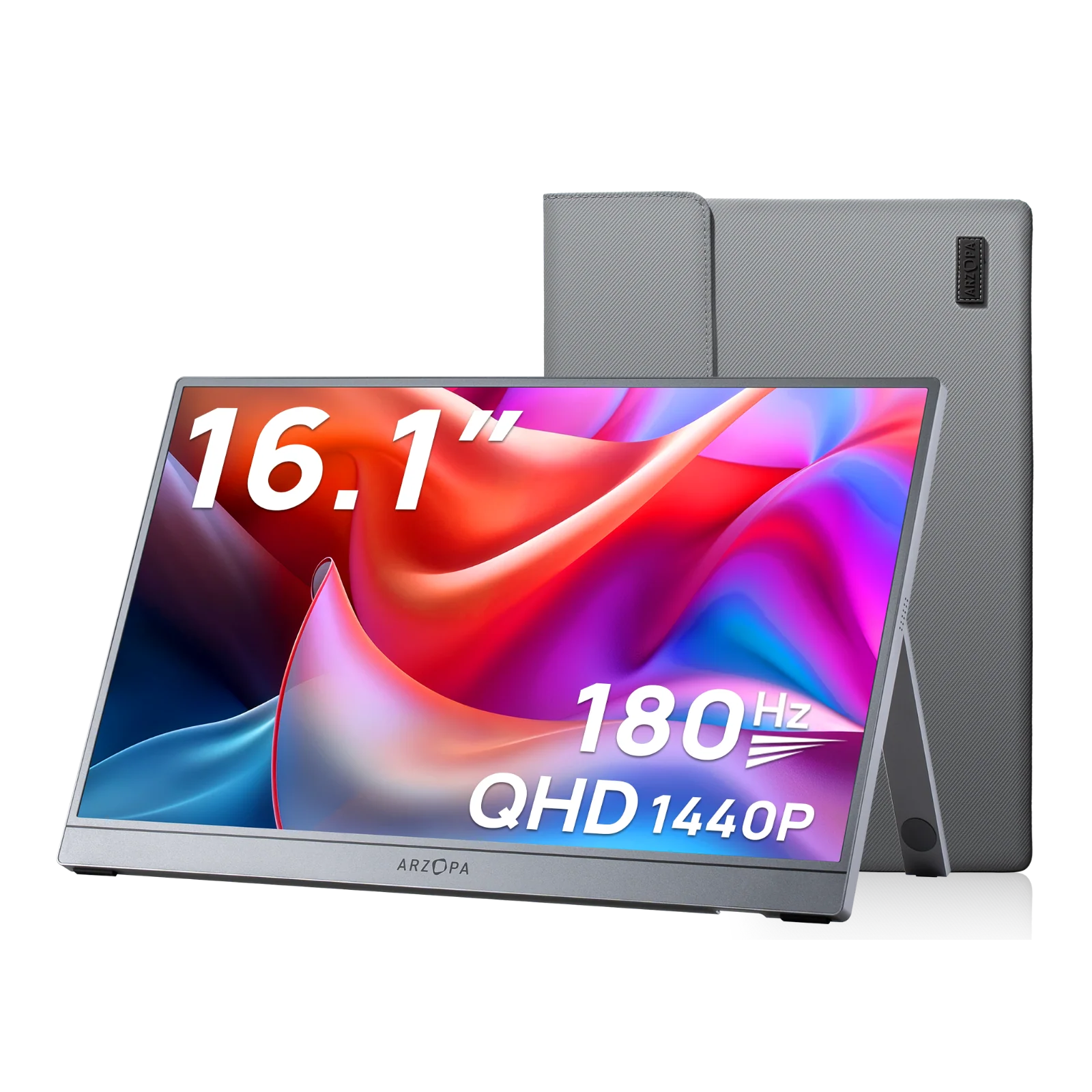
One USB-C cable can carry video and power only when the source supports video output and supplies enough power. Otherwise, use HDMI for video and a separate USB-C power connection. The portable monitor connection guide for iPad and iPhone explains the output side of this setup.
The short recommendation
Compatible Mac and iPad? Use Sidecar first. The wired option is easy to overlook.
Windows 11 takes more judgment. spacedesk is the free first attempt, assuming the computer allows a display driver. Duet is easier to recommend when the same iPad moves between Mac and Windows. Deskreen is appealing for an old tablet and a browser, as long as you account for the virtual display adapter. Luna asks for more money and one computer port, then leaves the subscription question behind.
Orion enters the picture only when the source is HDMI. Cameras and consoles fit. So does a computer sending a video feed through a capture card. If the setup keeps sprouting adapters, a dedicated portable monitor will probably be the calmer long-term choice.
Frequently asked questions
Can I use an iPad as a second monitor for Windows 11?
Yes. Install a Windows display app such as spacedesk, Duet Display, Deskreen, or Luna Display. spacedesk is a free starting point and supports a Windows 11 or 10 driver with an iOS Viewer. Work laptops may block the required driver or network permissions.
Can I use an iPad as a second monitor for free?
Yes. Sidecar is built into compatible Macs and iPads. spacedesk offers a free Windows route, and Deskreen is free and open source. Deskreen needs a virtual display adapter for a true extended desktop rather than simple screen or app sharing.
Can I use a cable instead of Wi-Fi?
Yes. Sidecar supports USB, and several third-party apps offer a wired mode. A cable usually gives a steadier connection and can keep the iPad charged, but compatibility still depends on the app and the ports on both devices.
Can Orion turn an iPad into a normal second display?
Orion displays an HDMI feed through a USB-C capture card. A computer can send HDMI to it, but this is not the same as Sidecar or a Windows virtual display driver. For normal desktop extension and window dragging, use Sidecar, spacedesk, Duet, Deskreen, or Luna.
Does Orion work on Android?
Orion's official requirements specify a USB-C iPad running iPadOS 17 or later. If you want an Android tablet to extend a Windows desktop, spacedesk offers an Android Viewer. HDMI-input setups on Android depend on the tablet, capture card, and receiving app.
Is an iPad better than a portable monitor?
An iPad is convenient when you already own one and only need an occasional second screen. A portable monitor is usually easier for daily use, larger screen area, direct HDMI sources, and computers where you cannot install display software.

![How Much Brightness & Contrast Is Good for Eyes? [2026] - Arzopa](http://www.arzopa.com/cdn/shop/articles/how-much-brightness-contrast-is-good-for-eyes-2026-3024228.jpg?v=1788850861&width=1200)